

From Founder & Inventor at CozeeCoo®
Based on my Personal Success Story
For anyone who personally loves my family and I, please know my body is fully healed —with the solid support of close family, friends and dedicated medical teams. It has been several years now and I am deeply grateful to say I no longer struggle with the circumstances I write about. Mental health is far more physical than previously understood, which means it can heal —and is why I feel a responsibility to share my story for others.
Topics include Perinatal Mood and Anxiety Disorders (PMADs), Premenstrual Dysphoric Disorder (PMDD), and associated suicidality.
If you or someone you love needs immediate support, help is available.
For 24/7 General Crisis Support Dial:
• 988 (United States & Canada)
• 116 123 (United Kingdom, Republic of Ireland & European Union)
• 13 11 14 (Australia)
• 1737 (New Zealand)
In Case of an Emergency Dial:
• 911 (United States & Canada)
• 112 (United Kingdom, Republic of Ireland & European Union)
• 000 (Australia)
• 111 (New Zealand)
I am not a doctor. This content is not intended to be a substitute for professional medical advice, diagnosis, or treatment. Always seek the advice of your physician, therapist, and/or other qualified health provider with any questions you may have regarding a medical and/or mental health condition.

Jennifer Stelmakh. Photography by Stacy Honda
 Jennifer & Michael Stelmakh at AFSP Lifesaver's Gala.
Photography by Kristen Connelly
TABLE OF CONTENTS
I Blog Post Goals
II Background Timeline
III My Story
A Postpartum Anxiety
B My Little Love's Medical Healing Journey
C Trauma Triggers and Premenstrual Dysphoric Disorder
D Suicidality and Healing
IV 11 Strategic Steps That Helped Me Heal Fully
V Summary
VI References
VII Resources and Support

2) We needed this moment.
I coped that year by controlling what I could on the outside—keeping things orderly, beautiful, and calm when my inner world felt anything but. Setting up the picnic and tripod for this photo was more than just a family portrait—it was a small act of peace, a moment where I could regulate, and hold us together.
I.
Blog Post Goals
I'm providing this blog post for several reasons:
1) Mainly, at CozeeCoo®, my mission is helping babies thrive. One of the most powerful ways to do that is to support their mothers—often a baby's primary source of comfort, nourishment, and care. This is also the perspective I'm able to offer.
2) Secondly, I’m sharing my personal story to offer maternal awareness, understanding, healing, and ideally prevention of severe Perinatal Mood and Anxiety Disorders (PMAD)s, and severe Premenstrual Dysphoric Disorder (PMDD) experiences.
3) Lastly, I outlined 11 Strategic Steps That Helped Me Heal Fully. My hope is they help guide others onto their own healing paths.
If you’re reading this and your heart feels heavy, I’m glad you’re here. What’s happening to you is real—and you are still you. A mother can love her family deeply and still experience severe mental hardship. One does not cancel the other. Your identity isn’t broken—your body needs support. You are not alone, healing is possible. I am living proof that when the body heals, the mind can heal too.

II.
Background Timeline
Here's some background and a timeline before I jump in:
Motherhood is the greatest gift I've ever experienced. I am beyond grateful for my children and I tell them often. Hopefully all I do shows them so as well. A mother's love is immense to say the least. To share that with my best friend, my husband is the closest to peace I've ever felt. At the same time, postpartum healing and years of circumstantial and chronic stress went on longer than my body could handle. My nervous system remained in a prolonged survival state, which disrupted my hormone balance and how my body processed those hormones.
I developed a condition called Premenstrual Dysphoric Disorder (PMDD). For two consecutive years, each month (the day before my menstrual cycle began), for a very intense 24 hours or less, I experienced severe depression, which later evolved into suicidality. This condition was the most excruciating pain I've ever experienced. It threatened the wellness of my family, and made me believe two falsehoods: 1) I was to blame and 2) that it's permanent. After enduring an episode, I was left otherwise myself —aside from the aftershock and the urgent need to understand why it was happening. The year 2022 held peak intensity episodes accompanied by adrenaline. I had no choice but to realize PMDD had given me a very unique opportunity to study suicidality and make sense of it in order to eventually heal it. I succeeded. This blog post covers what I learned.
Experiences & Events:
- 2015 — Postpartum anxiety (PPA).
- 2019 — My baby's severe eczema & allergy healing journey.
-
2020 — Built CozeeCoo®. COVID. Trauma Triggers. Premenstrual
Dysphoric Disorder (PMDD) - 2021–2022 — Launched CozeeCoo®. War crisis in Ukraine. Suicidality.
- 2023+ — Healing into fully healed.
III.
My Story
Please note:
These are detailed accounts of my experiences mentioned above. This information is based off medical records, photo dates, personal calendar notes, and my recollection. It is to the best of my knowledge. These accounts are simply my journey and process to discovering my personal answers. My story is meant to share how PMADs & PMDD including suicidality can build up overtime, be supported, and healed. For the protection of readers, I do not recount severe episode details.
A.
Postpartum Anxiety
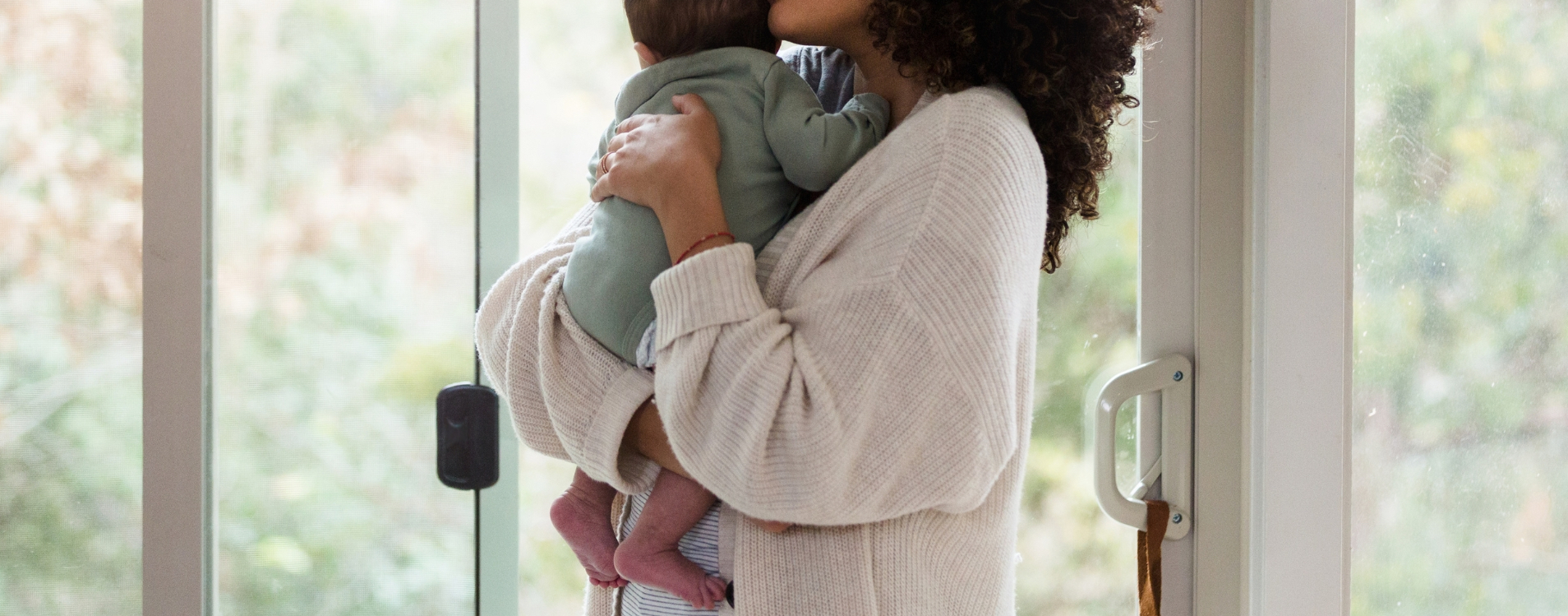
Postpartum anxiety reflects a nervous system that has shifted into heightened protection following birth. Rapid hormonal changes, sleep deprivation, and the constant responsibility of infant safety can amplify the brain’s threat-detection system — even in safe environments.¹,² This can lead to hypervigilance, physical tension, and intrusive, unwanted thoughts that feel alarming precisely because they conflict with a mother’s values and deep love for her baby.³ Unlike postpartum depression, which is more often associated with low mood, withdrawal, or emotional heaviness, postpartum anxiety is driven by an excess of alertness rather than reduced attachment or concern. Both conditions are rooted in physiology, can overlap, and are highly treatable with appropriate support.¹,²
Late November 2015
As a brand new mother I knew I was genuinely in love with my life, which was all the more confusing when I found myself mentally unwell.
I was madly in love with my husband, Michael. We adored our beautiful and safe home, which we had recently bought and decorated for the baby. I felt fulfilled and creative in my career path. We had planned for Andrew and soaked up every beautiful moment through the pregnancy. He arrived and we were over the moon in love.
Of course all the newborn books in the world can't prepare one for the sleepless nights. Breastfeeding was hard at first but after treating Andrew's tongue tie, feeding became my favorite activity. Andrew was an easy baby and slept through the night in no time. He was also calm because I read his every cue, anticipated and took care of his needs before he even had time to express them.
I found I was intensely protective of Andrew in public (mindfully aggressive even). If a stranger approached the pram my entire body would fiercely tense up. It took everything for me not to react the way I was feeling, which means I was aware my impulses were extreme. Taking Andrew outside was incredibly stressful, not because of circumstances but because I defaulted into fight mode until we returned home. Later I would learn this was a sign I had a hormonal imbalance.
Then the terribly intrusive thoughts began: What if I tossed my baby off the balcony? My immediate next thought was: What a horrible thought! How could I think of a such a thing -and to the soul I love the most!? I became scared, confused, questioned my sanity and worth. It took me a day but I confided in Michael and he assured me bad thoughts happen to everyone. He said of course I love our Andrew deeply and not to fret, that I could always talk to him about such things. Michael is my rock and always has been.
But then I'd wake up with no feelings at all except to wish I was just... gone or nothing at all. It was all very matter of fact. When my emotions came back I was very disturbed and found it hard to stop crying. How could I fathom not existing when the one thing my baby needs most is a mother!? These thoughts were hard to handle. I questioned myself as a person, my identity, beliefs and value. Because of Andrew's tongue tie, I was familiar with our hospital's childbirth resource and education facility. I told Michael what I had experienced and mentioned how I'd like to make a perinatal therapist appointment there. He was very supportive.
The center told me I could bring Andrew along, which gave me some relief. Michael drove us to the appointment to help calm my nerves. But by being present at the facility, I felt broken and fearful of other's judgements. I began to tear up in the car and seriously considered turning back... but instead I chose to face the appointment to learn more —and am forever grateful I did.
The center was outstanding in their care. The therapist was calming, made me feel like I was on a path many women before me had been on, including herself. She made sure I felt safe at home and supported how I saw Andrew as my reason to heal. I expressed my desire to not rely on medication over a healthy diet, lots of water intake, exercise, getting outdoors and socializing so we agreed my focus would be these standards daily. Except I found this difficult to maintain with a newborn. I felt overwhelmed at all times and even struggled to make eye contact regularly. The next intrusive thought was how fast it would be to total the car while I was driving alone. I stopped driving after that and told the therapist I was ready to learn more about medication options.
March 2016
Since my therapist couldn't prescribe medications, she set up an appointment for me to see a perinatal psychiatrist. I was nervous to retell my story to someone new but this was not the doctor's first rodeo. She reflected peace, understanding and took the time to answer all my questions. I am rather sensitive to medications and made this known. I also made sure the drug and dose were safe to use while breastfeeding. What the immediate and long term side effects could be were discussed as well as how one safely weens off from the drug. Escitalopram (the generic version of the brand-name, Lexapro) at 5 mg/day was prescribed to balance out my serotonin levels. I was nervous the drug would just make me overly happy. Instead, within two days of taking the prescription I simply felt like myself again. I continued the prescription for two weeks and agreed to keep my perinatal psychiatrist updated. I ended up independently tapering off escitalopram over a few days. I had no side affects and let my psychiatrist know my course of action. In retrospect I should have consulted with her first before making that decision on my own. She was shocked this worked so quickly and that I had remained well —but I didn't need to look back. I learned that my intrusive, subconscious thoughts were simply signs that I needed physical healing and support. They weren't my identity. This wasn't permanent. It was my physiology and could be healed.
B.
My Little Love's Medical Healing Journey
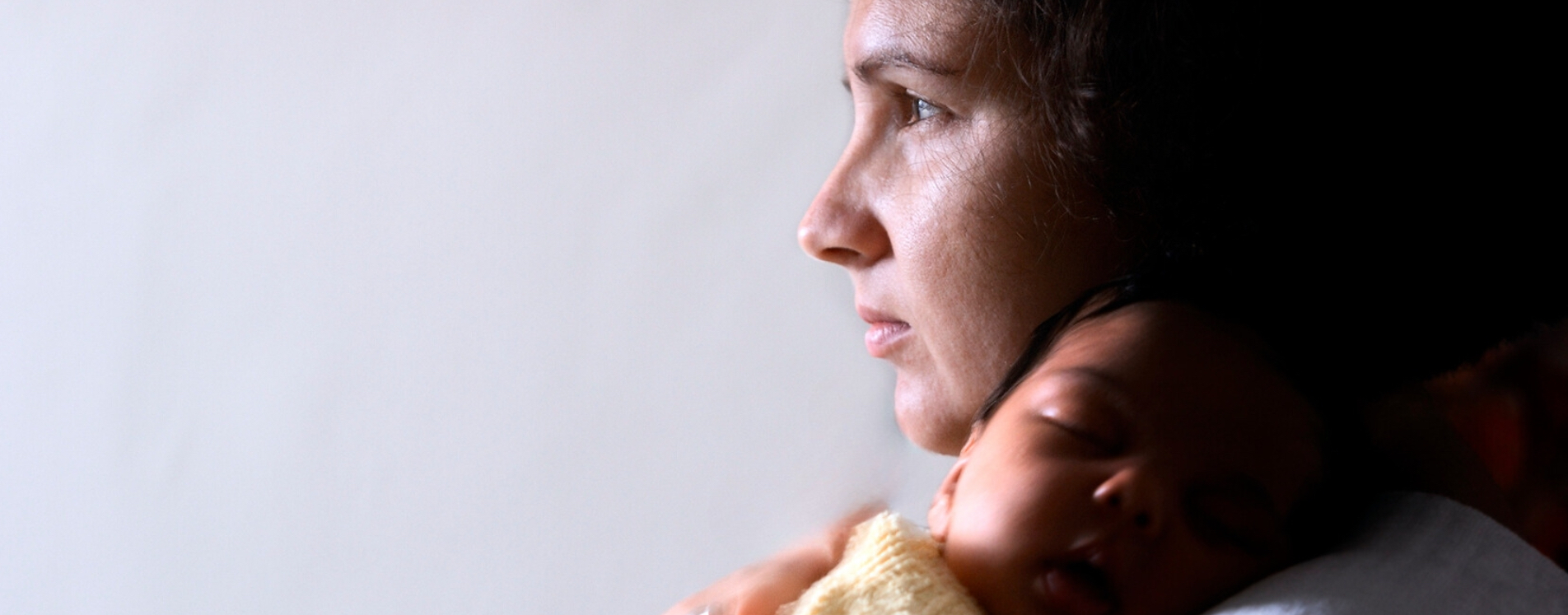
When an infant is on a medical healing journey, a mother’s nervous system often remains in a prolonged state of high alert. The drive to protect her vulnerable baby can override basic self-care needs — sleep, regular meals, hydration, and recovery — as attention is directed outward toward monitoring symptoms, anticipating needs, researching causes, coordinating appointments, and preventing harm.²,³ Over time, this sustained caregiving intensity can lead to nutrient depletion, hormonal disruption, and nervous system exhaustion, even in mothers who appear outwardly composed and capable.⁵,⁶ Highly productive and resilient individuals often cope with mental hardship by doing — organizing, problem-solving, creating, and taking responsibility — which can be adaptive in crisis but costly when rest and replenishment are deferred for too long.⁵ When the body is depleted beyond its reserves, symptoms may surface suddenly and feel confusing or disproportionate — despite being rooted in prolonged physiological strain rather than weakness or failure.⁶,⁷ With adequate support, nourishment, and relief from constant threat monitoring, the nervous system can recover — and so can the mother.
Late November 2018
Anthony was born, and just like his brother, he was perfect. I didn’t feel the same postpartum anxiety I had experienced with our Andrew. Michael thankfully had three months of paternity leave (unlike the 2 weeks he had with Andrew), which made the early days gentler and far more supported. We felt comfortable in the baby phase and complete as a family of four.
When Anthony was around two months old, I treated mastitis, a backed up milk duct in the breast with antibiotics —medication I was reassured was safe while breastfeeding. Later I would learn that this treatment caused Anthony's immune system to become compromised.
A rash appeared, then worsened. His skin became intensely itchy, and if I didn’t hold his hands away from his face, he would scratch until he bled. Nights blurred into one another as I hovered between staying awake or holding his hands down while we both attempted to sleep. The sleep deprivation was unlike anything I had experienced; my body shifted into survival mode.
When our pediatrician said, “I don't know what this is” and left the conversation to silence, I understood it was solely up to me to figure out what was harming my baby. My world narrowed to Anthony’s skin. While I desperately waited for specialty doctor appointments, I isolated myself in the nursery, studying every patch of redness and every tiny change. Michael took care of our three-year-old, Andrew. My intuition kept telling me that food was part of the story. Since I was solely breastfeeding Anthony, I went on a strict elimination diet to try and decode whether a food I had eaten was helping or hurting him.
One night, when Anthony was at his worst, I felt fear rise in a way I’ve never known: What if I lose him? My obsession to pinpoint the triggers increased. Michael pleaded gently for me to talk about anything else for our family’s sake, but I simply didn’t have it in me. I had already decided that failure wasn’t an option and whether I wanted to or not, there was no energy left for anything else. At the same time, what resulted were our answers:
1) I invented the CozeeCoo®, —a wearable baby blanket, which was a great source of relief. It helped stop Anthony from scratching and comfortably retained his mobility. Then I had the energy for what followed.
2) I pinpointed the majority of Anthony's eczema triggers (aka non-IgE allergies) through my breastmilk and confirmed the remaining allergens with a skin prick and blood test with an allergist. We also worked with a pediatric dermatologist to treat staph infection and topically heal the severe eczema.
If you’d like the full story on Anthony's severe eczema and allergy healing journey, you can read this separate blog post.
The CozeeCoo® helped our family so profoundly that our doctors encouraged me to sell it. I knew then that I had been given a responsibility to help others. We filed a patent and I began building a business around my invention —at night, while everyone else slept.
I compared Anthony's fifteen custom CozeeCoo®s (made to keep up with his growth), against the World Health Organization (WHO)'s child growth standards. I drafted patterns for six sizes, and sourced organic materials to make prototypes for production. It became a labor of love, purpose, and a kind of steadying clarity I desperately needed.
Early 2020
Then the world shifted. COVID was declared a pandemic. Masks were suddenly required but impossible to find —and I realized I had just sourced all the materials needed to make them. So instead of sewing CozeeCoo® prototypes, I made children’s masks for our school, family, and friends. I remember my hands shaking from more unknowns as I sewed the first tiny mask on my sewing machine.
When I developed mastitis again in April, instead of exposing Anthony to the antibiotics, I chose to stop breastfeeding abruptly. I found the unexpected ending hard but knew it was the best decision for us.
Despite everything, 2020 brought silver linings. Manufacturing slowed globally, which gave us the pace to enter production carefully and thoughtfully. And with more time at home, our two boys bonded in ways that still make my heart sing with gratitude.
C.
Trauma Triggers and Premenstraul Dysphoric Disorder
Trauma triggers are not “just thoughts” — they are automatic nervous system responses that occur when the brain has learned to associate past overwhelming experiences with danger.¹,⁶ When reminders resemble earlier stress or trauma, the body can react as if the threat is happening again, activating fight–flight–freeze before conscious reasoning has time to intervene.¹,⁷ For mothers, this response is often intensified by hormonal shifts, sleep deprivation, nutrient depletion, and prolonged caregiving stress.²,³,⁵
Premenstrual Dysphoric Disorder (PMDD) can further heighten this vulnerability by creating a temporary, hormone-driven sensitivity in the brain’s stress and threat systems before menstruation.⁸,⁹ During this window, emotional regulation is reduced and the nervous system becomes more reactive, which can amplify existing trauma responses, emotional pain, or intrusive thoughts.¹⁰,¹¹ PMDD does not create these reactions; it reveals an underlying biological sensitivity that is time-limited and treatable. With adequate medical care, nervous-system support, nourishment, rest, and reduced stress, regulation can return — and healing is possible.¹,²,⁵
By mid 2020, the weight of motherhood, my Anthony’s medical journey, and building a business during a pandemic was adding up. I began experiencing what I called “dark clouds.” They seemed to come out of nowhere and never lasted longer than a day. Getting out of bed simply lacked the adrenaline to do so. Any attempt at a positive thought felt flat and emotionless—almost inaccessible while negative thoughts carried emotion, logic, and weight. I felt overstimulated, and deeply overwhelmed —as if my system had run out of capacity. Words were hard to reach. I had to wait until it passed.
I never wanted the children to see me like that. Michael worked from home, and when I found myself slipping under, I would use the little strength I had to tell him to close the bedroom door and keep our little loves close to him. I wasn’t asking—I needed him to understand I was temporarily unable to provide care.
What made it substantially harder was how much I valued being present: as a mother, a wife, and the person responsible for sustaining CozeeCoo®. When my body wasn’t cooperating, the fear wasn’t just “I feel awful.” It was, “I’m failing the things I love most.” The pressure felt like pure agony—like each role was pulling at me at once. Later I would learn that I subconsciously held a zero-sum mindset for these three roles (I felt they were all competing for my fixed-amount of attention) and I feared deeply that one would lose over another.
The dark clouds occurred every few weeks and each one was gradually more intense than the last. When I tried to explain a dark cloud to Michael, the closest comparison I could find was the body’s urgent need to use the restroom: everything else gets preceded. You’re still yourself, but there is no redirecting the moment—it must be endured.
December 2020
I saw my physician and was initially diagnosed with Major Depressive Disorder (MDD) and Generalized Anxiety Disorder (GAD). At the time, it felt like a label—but not an explanation. I knew I loved my life and my family, and yet there I was.
January 2021
Anthony was 2 years old. We pinpointed his non-IgE allergies and healed his eczema. While writing Anthony's medical timeline blog post for the CozeeCoo® website, I was immersed in photographs of his severe eczema as a baby. I knew revisiting those memories was difficult, but I felt a responsibility to tell the story so other parents wouldn’t feel alone. My body responded in a way that shocked me: although I had stopped breastfeeding nine months earlier, I began lactating again. My physician confirmed it wasn’t dangerous (as this can sometimes indicate a tumor). Instead it was a clear reminder of how closely connected the mind and body are. My body was trying to heal my baby —once again through breastmilk.
March 2021
CozeeCoo® launched, and it was a bright spot. I was filled with purpose and gratitude by helping families who were on medical journeys of their own.
By mid-2021, managing Anthony’s allergies and safety planning had become our family’s way of life. As he prepared to start school, I was so proud of him—and grateful for the support of his school. At the same time, even with routines and safety plans in place, I couldn’t fully relax. I noticed my body reacting to “simple” tasks, like filling out allergy paperwork, asthma plans, and emergency forms. My hands would tremble—not because I didn’t know what to do, but because my nervous system remembered why the forms mattered.
Early November 2021
I started seeing a private-practice therapist weekly. Taking the time to talk through my experience out loud —to someone who was not directly affected by it, helped me to begin pinpointing my trauma triggers. I knew I needed nervous system healing from my little love's medical healing journey. The triggers I was aware of were the ongoing allergy scares. My therapist suggested I begin tracking my menstrual cycle. I never did this before because I was irregular my whole life. While this proved to be correct, we also discovered my dark cloud symptoms were linked to my menstrual cycle. This is true for Premenstrual Dysphoric Disorder (PMDD), a cyclical, hormone-driven condition. Pinpointing trauma triggers was important to heal my internal response to them. Triggers included allergy-scares and any argument/disconnect with Michael near the time of my menstrual cycle. We established how my precious children, my very supportive husband, and helping babies thrive with CozeeCoo® were my reasons for healing. I was referred to a naturopath in the building next door and decided to do some research as holistic health was a new concept for me at the time.
On November 15, I saw my long-time family physician. I told her what I had learned with my therapist. My physician diagnosed me with Premenstrual Dysphoric Disorder (PMDD) and I created a formal Safe Plan with her. My physician knew about my work with CozeeCoo® and was very supportive. She asked me if my work with the CozeeCoo® families was a potential trauma trigger. The epiphany came over me all at once. I began heavily breathing. Intense relief was expressed through deep sobbing. While I was grateful to be helping hundreds of families on their own medical journeys, every story felt familiar. Every photo echoed something I had lived. I was exposing myself to trauma triggers daily —not in dramatic moments, but through repeated doses. I became concerned that I would need to stop my purpose-driven work and anxiety started to rise. My physician reassured me that she did not believe I needed to stop work with CozeeCoo®. I just needed to realize that my nervous system had been pushed beyond capacity and needed help. I felt total relief by this conclusion, which meant I was on the right path.
Early December
Life events continued to pile on. We spent the day at the Children's Hospital emergency room because pumpkin seeds were later found to be cross-contaminated with Anthony's anaphylactic allergens. Thankfully Anthony stabilized with an antihistamine and we learned more about allergy protocol from emergency responders.
I kept my therapist updated with life events and the work I did with my physician (and vice versa). It took nearly a year and a half of monthly dark clouds before I could finally name what was happening: my body wasn’t broken. My nervous system was overloaded—and my physiology had changed. I made an appointment with the referred naturopath.
As CozeeCoo® continued to grow —becoming an FDA-listed and registered Class I medical device and supporting babies on healing journeys around the world —I held tightly to a belief that had guided me from the beginning. At our core, I believed people are united by a shared instinct to help babies thrive. But on February 24, 2022, when the war in Ukraine began —where my husband was born and grew up, where his extended family lived, and when we experienced families fighting families —that belief was shaken.

D.
Suicidality and Healing
Suicidality is a state of nervous system and physiological overload that can arise when prolonged stress, trauma, hormonal shifts, and depletion exceed the body’s capacity to regulate.¹,⁶,¹² In this state, subconscious survival systems in the brain may generate reflexive threat responses including intrusive thoughts or imagery —before conscious reasoning or intention are involved, which is why these experiences are often unwanted and deeply distressing.³,⁶ Suicidality is not a conscious desire or identity and does not reflect loss of love, attachment, or values. The effort to remain still, resist action, or wait for an episode to pass reflects preserved self-control and distinguishes this state from intent. As the body re-regulates through rest, nourishment, hormonal shifts, or sleep, symptoms may resolve abruptly, underscoring that this experience is state-dependent and physiological rather than permanent or predictive.
In the postpartum period and beyond, symptoms can develop quietly and progress when misunderstood or unsupported.⁵,¹³ Fear of being seen as a “bad mother” often prevents women from speaking up, despite maternal suicidality remaining a leading and underreported cause of maternal death in the year following pregnancy.⁴,¹³ Clinicians trained in perinatal mental health recognize this distinction and view help-seeking as a responsible and protective act. With appropriate medical care, nervous-system support, and safety planning, stabilization and healing are possible.¹,⁵,⁶
I have always made it a point to refrain from consuming fear-inducing news reports. News that directly affects me, where I can make a difference, still travels faster by mouth. So instead I listen to the news of my community and loved ones. I received calls from friends trying to get their loved ones out of Ukraine. Our news became each other as to which households could host those traveling west and across country borders. We shared which trains were still running and which borders were open. We kept track of who had enough food and water. I tried to remind my nervous system that my surroundings were safe but this became increasingly more difficult. I had to rely on the news to see how the war was escalating. I was in total disbelief over the images —and met my breaking point. I experienced an episode without the occurrence of my menstrual cycle.
Ukrainian families began contacting CozeeCoo® about suddenly losing access to cleft care hospitals. Thankfully I was able to redirect them to Smile Train's international partners doing heroic work. Communities all over Europe left prams at train stations for fleeing parents. Across the world, people stepped in where systems had failed. There was devastation —and also humanity. I looked for the good wherever I could find it.
After those who wanted to escape did, I stopped checking the news to distance myself from what I was not experiencing first hand. While this helped, the dark cloud symptoms became harder to endure. I was terrified to experience how my subconscious was operating and longed for the pain to stop. I focused on lying still and knowing the episode was temporary. Rocking my body while in the fetal position and allowing tears to flow helped release held stress. I learned early on that falling asleep was the best thing I could do as once I woke up, the episode would be over. I was left otherwise myself —aside from the aftershock and the urgent need to understand how to stop this from happening.
March 8, 2022
I had my first naturopath visit. A urine and blood test were ordered to track my hormones. I was amazed this could be done as I was never presented with this option before. My estrogen levels were so high that they were off the line-graph charts. I also had elevated testosterone and iron. From there we planned out my lifestyle diet to support hormone balance. I realized that I had spent the last three years on a very strict diet to support my Anthony's allergies. I did what I had to —a mother's love is fierce. Now it was time for me to regain balance. I hadn't consciously avoided protein but wasn't eating enough if any. This was our main focus. I was to also stop using our cast iron skillet at home for a bit and stop my dried food intake -just to see if this would help lower my iron levels back to balance. I knew these changes would take time but was glad to have a game plan. A recipe l loved immediately was a bone broth cabbage soup with spices (which I share in Strategy 7). There was a noticeable and positive change in my mood once I introduced red meat and bone broth to my diet regularly.
I had a follow-up visit with my physician. I let her know the updates with my naturopath. She was supportive. When I asked her why we hadn't done hormone testing before, she said in her line of work, it's just not part of her training and that she didn't know enough about it. I was very lucky to have a physician, naturopath and therapist who were willing to support each other's work. This meant a great deal to me and was a big part of how I found my answers.
May 24, 2022
My Anthony had an anaphylactic reaction to an unknown source. I applied the epipen and called 911. The fire department declared his oxygen levels were stable upon arrival. We were driven by ambulance to the emergency room at the Children's Hospital. In emergency situations I tend to default to heightened senses while collected. In the moment it's an ideal response to not only be what is needed in the scenario, but to also model how to handle the circumstances for Anthony. At the same time, this degree of presence takes a lot of focused adrenaline. After I know Anthony has fully recovered, is safe, his emotions have been comforted, and we are back home, the shock initiates. I go numb almost into a haze. It's as if my body knows the task was complete and shut down mode is necessary to re-charge all the energy I used up. I can't think straight, lack emotion and need to lie down.
Over time I learned to give myself a day to recuperate after an emergency situation. This prevents me from experiencing delayed out-of character irritation, anxiety or panic attacks later. Looking back, I understand this differently now: with every allergy scare, every asthma attack, and even the act of filling out a lengthy medical form for school, I wasn’t just handling that present moment. My mind instantly re-lived every related memory —to compare scenarios and assess risk in order to best decide what needed to be said and done next. This intense experience once terrified me but I now understand it as a type of superpower.
I learned not to hesitate in contacting emergency personnel. In the beginning I feared overreacting but they are the first to say every moment is of the utmost importance in an emergency situation -that it's better to overreact than under react. Emergency systems exist so we can utilize them. They want to help and are equipped —and trained to do so.
In 2023 I would discover an online course that had a "profound change" on me —as my husband will say. Remember how I mentioned my dark clouds subconsciously held a sum-zero mindset for the three roles I cared dearly about (my children, husband, and CozeeCoo®)? Well, I learned we were never meant to chose between all that we love. I learned how to balance a positive-sum mindset where mutual benefit and growth are possible. I also learned that I deserve to be on that priority list —among other life categories. These lessons were pivotal for my healing journey so I knew I wanted to share them for others. I'm in no way affiliated. This is simply a resource that helped me. If you're interested, I shared the course link in section VII, Resources and Support.
It's hard to believe I have come so far. I am grateful every day. I survived a difficult journey of speaking up, recognizing signs, building a team of specialist doctors, recognizing trauma triggers and boundaries, applying grace to myself, the circumstances, and accepting medical treatment so I could finally grow stronger in health. There was no question I did it all for my children.
At the same time, it's important to know healing does not erase the nervous system’s memory of danger. Healing strengthens the ability to recognize biological responses early, respond with support, and recover safely. Significant stressors can still cause PMDD relapses, which is why telling those close and dear to you about your experienced history is key. This is not a sensitivity. It's your life. If a regular interaction cannot apply basic courtesy or grace, your body may register them as unsafe. That signal is not a personal failing, but guidance to set boundaries, create distance, increase support, and prioritize regulation. It's a gift to know your trusted support system.
This healing journey was far more physical than I ever understood suicidality could be. Through the countless physician, naturopath and therapist visits, with each professional agreeing to work together, and years of personal research, trials and errors towards better health —I learned 11 life-saving strategies —ones I wish the mothering world was well aware of. This leads us to:

IV.
11 Strategic Steps That Helped Me Heal Fully
In the Order of Importance
1. Separate your identity from what is happening to you.
2. Tell someone.
3. Find a good team of specialty doctors.
4. Make a safety plan.
5. Document your menstrual cycle and symptoms.
6. Consider hormone testing.
7. Discover nutrient-dense recipes specific to your test results.
8. Learn about treatment options —medications and natural support.
9. Apply grace to yourself and the process (healing takes time).
10. Consider transitioning off medication(s) with guidance if and when you're ready.
11. Stay connected —you are not alone.
11 Strategic Steps That Helped Me Heal Fully
(in order of importance)

1)
Separate Your Identity From What is Happening to You
Following birth, the body undergoes profound physical changes that already require recovery. When this is combined with caring for a little one on a medical healing journey—especially long-term—mothers can enter a chronic “fight–flight–freeze” state. This can lead to physical depletion such as hormonal shifts and imbalances, sleep loss, nutrient deficits, etc. Trauma triggers and/or ongoing traumas can can also affect the nervous system. These physiological changes can directly influence a mother’s subconscious psychology. We have names for these experiences because they happen to many people. The most important truth is this: the body and mind are connected—and we can heal.
PMADs & PMDD, which can include suicidality:
a) Are life experiences & conditions —something happening to a person.
b) Are NOT identities —not who a person is.
c) Can be healed.
d) Can be prevented.
Why this distinction matters:
Education is key. English unfortunately blurs the distinction between happening to and is/identity whereas Asian, Celtic, Germanic, Romance and Slavic languages all separate the person from the condition(s). You are not depressed. You're experiencing depression. This is the difference between a fixed state and one that can change (prevention and healing).
Furthermore in English, most people don't hear the word suicidality (ongoing). We just hear suicidal (current) or suicide (past action) after a tragedy. Here's the thing: there are many signs to look out for in the suicidality stage -so we should be most familiar with it.
This is not your identity and not your fault. You’re a loving mother experiencing symptoms to a physical and treatable condition. I personally named my experiences “the dark cloud,” or an "episode”. This was also the first exercise my therapist made sure I was doing as she said the separation from self is the first step toward healing. This helped me talk about my experience without confusing it with who I am, which leads me to:

2)
Tell Someone
I know at first I felt as though saying the thoughts I was experiencing out loud would make it more real. I felt by telling someone then I was giving up, wasn't in control or was being weak —but let me tell you, by being vulnerable, you are being responsible. You are taking the right steps to take care of you and your family. This is taking control. This is strength.You can say: "I think I am experiencing signs of depression or postpartum depression. I would like to speak with someone who has expertise on this topic." Reaching out to someone who is not directly affected by what you have to say, such as a therapist can be incredibly helpful. Therapists can assist you in opening up a conversation to your loved ones in helpful ways.
If your situation is more intense, say this to one safe person: “I’m not okay, and I need help.” That is sincere strength. Help doesn’t mean speaking up and then doing it alone. Help means letting someone stay with you, listen to you, check on you, and take action with you.
Help can look like someone:
- Sitting with you so you’re not alone
- Helping you make a plan
- Calling a doctor or therapist with you
- Taking over childcare for an hour or more
- Driving you to an appointment
- Texting you tomorrow to ask how you’re doing
- Simply saying “I’m here. I’m not going anywhere.”
"If you can't, then you must —and if you must, then you can." -Tony Robbins

3)
Find a Good Team of Specialty Doctors
I improved when I stopped carrying this alone. Healing becomes possible — and safer — when you have a support team behind you. A good medical team doesn’t replace your strength; it amplifies it. Each professional sees a different piece of the puzzle, and together they help reveal the full picture of what your physiology and psychology are experiencing.Below is the kind of team that supported my healing and the kind of care I want for you:
A) Medical Doctors (MD/DO)
These clinicians are physicians — meaning they can diagnose medical conditions, prescribe medications, order labs, and coordinate care.This category includes:
• Primary Care Physician (MD/DO)
• OB-GYN (MD/DO)
• Perinatal Psychiatrist (MD/DO)
(a psychiatrist specializing in pregnancy, postpartum, hormonal shifts, PMADs, PMDD, etc.)
How medical doctors help:
- Rule out underlying medical causes
- Make a Safety Plan
- Diagnose PMADs, PMDD, Major Depressive Disorder (MDD) & Generalized Anxiety Disorder (GAD), etc.
- Prescribe and adjust medications if needed
- Order bloodwork and labs
- Coordinate referrals and build the rest of your care team.
B) Mental Health Clinicians
These are trained specialists who do not prescribe yet play an essential role in recovery through making diagnoses and providing therapy.
• Psychologists (PhD/PsyD)
• Licensed therapists (LCSW, LMFT, LPC, etc.)
How therapists help:
- Identify patterns, triggers, symptoms, and make a diagnosis
- Give language to what's happening ("naming the experience").
-
Provide tools for managing intrusive thoughts and anxiety waves.
- Support safety planning.
- Refer to medical doctors when needed.
These clinicians support the physical side of healing: hormones, nutrients, inflammation, endocrine balance, etc.
• Naturopathic doctors (ND)
• Integrative medicine physicians (MD/DO with integrative training)
(both look at the entire person — physical, psychological, hormonal, nutritional, environmental — instead of treating symptoms in isolation.)
How these clinicians help:
- Run hormone panels (urine & blood) & thyroid testing.
- Assess nutrient depletion (iron, B12, vitamin D, magnesium, omega-3s, etc.)
-
Support the body through a nutrition, herbs, and targeting supplement plan aligned with test results.
- Review your menstrual cycle and symptom patterns.
- Teach how physical depletion contributes to PMADs, PMDD, anxiety, depression, and suicidality.
Choose providers who welcome questions, ask about family history and go over your notes in detail. Compare notes between providers and ask each one to collaborate together. You deserve coordinated care. Confirm diagnosis with lab results when possible. Your team should help you find the underlying cause(s). Don't compromise.
If finding your dream team is hard (as it can take time with insurance, availability, money, networks, geography, language, mutual respect, etc.), please know progress can still happen. Every bit of clarity you gain — even about what doesn’t help — is progress. You also do not need everyone all at once. Start with whoever is most accessible — then add to your team as you’re able.
You deserve a team that listens, collaborates, and sees your whole self —
your physiology, your psychology, your history, your exhaustion, your strength, and your motherhood.

4)
Make a Safety Plan
- Numbers: 988 (U.S.) or your local crisis line; your friend; extended family member; your therapist/doctor. My perinatal psychiatrist gave me her direct line and this felt very important.
- Places: where you go if you need company (friend's house, extended family home, clinic lobby).
- Immediate Actions: hand your baby to a trusted adult; take a short walk; drink water; text your therapist "URGENT."
- Severe Episode: lying down is helpful, tears release stress, rocking the body is soothing, this is happening to me, this is not me, this is not permanent, falling asleep makes it go away, you can get through this for your children.
- Routine: When your body is in survival mode, a “routine” can feel impossible. That’s okay. Ask your therapist or care team to help you set a simple rhythm: predictable sleep windows, regular nutrient-dense meals that are regular, hydration, a few minutes of fresh air, in the sunlight, a brief check-in with a friend. These aren’t luxuries; they are signals of safety to your nervous system. Build this with support, not self-pressure.
If you're already doing this, wonderful. Keep going.
I met with my physician in person and made a very clear safety plan with her, written into my chart. She also had a physical pamphlet for me to fill out and take home —to keep in a safe place if ever I needed it. At first bringing the brochure home made me feel very self-conscious. I didn't want anyone to see or find it —but I filled it out and hid it under a book in my bedside drawer. Then there was a day when I was in a panic. I remembered the pamphlet and read over what I had written. It was enough to make me feel safe and allowed me to calm down. I wasn't alone because there was a plan.
The 988 Lifeline has a Safety Plan Template you can fill out and print.
5)
Document Your Menstrual Cycle and Symptoms
If you menstruate (sometimes stress stops this all-together), note when it occurs along with your symptoms (mood/sleep/anxiety) through the months. This can tell you a lot. A basic calendar or app works. I simply used Notes on my phone.
My period had never been consistent so I never tracked it. Documenting my menstrual cycle showed me that I was completely irregular —sometimes two months apart and sometimes just 2 1/2 weeks. As I documented my mood and anxiety I was able to pinpoint my dark cloud episodes within 2-3 days of the start of my menstrual cycle. This is consistent with Premenstrual Dysphoric Disorder (PMDD). Then I was able to build support around high-risk days (extra help with childcare, earlier bedtime, hydration, more nutrient-dense meals, therapy check-ins, sunlight, rest, etc.).
6)
Consider Hormone Testing
Clinician-ordered labs can look at hormones, thyroid, ferritin/iron, vitamin D/B12, inflammatory markers, and more. Postpartum symptoms (including intrusive thoughts) can be improved by balancing hormonal shifts. Testing doesn’t replace therapy, but it guides targeted support for the body. I also took a blood test to check my hormone levels. The resulting charts were a bit tricky to understand but my natropath was very happy to teach me.
It was clear my estrogen levels were "off the charts" high. My testosterone levels were slightly high —and it was relieving to have answers. My iron levels were also high. I was eating a lot of dried fruits and cooked with an iron skillet. My natropath suggested I stop both for a while to see if anything changed. It did, slightly. So we began monitoring my iron levels to rule out Hemochromatosis (iron-overload) where the body stores too much iron. The good news is it's treatable. The next steps were to discover nutrient-dense foods aligned with my test results.

7)
Discover Nutrient Dense Recipes Specific to Your Test Results
Guided by my labs, I realized I wasn't getting enough protein or nutrients for years — not intentionally, just realistically. With little ones at home, it felt easier to grab quick carbs or fruit. When preparing meals, I made sure everyone else ate but rarely made sure I did too. I was also on a strict elimination diet to identify my baby’s allergy triggers. At the time I had an underlying fear of food and my own intake slowly narrowed without me noticing. My body was depleted.When I finally rebuilt my meals around consistent protein, steady blood sugar, and nutrient-dense foods, my mood and energy began improving in a noticeable way and my iron levels balanced. For me, that included adding meat and nutrient-rich soups back in, like a bone broth cabbage soup that my naturopath recommended — and I perfected. I still make it today. I also monitor my hydration, which is typically water with electrolytes (tiny pinch of sea salt and a squeezed fruit like lemon or berries).
Your path may look completely different. If you're vegetarian, vegan, navigating allergies, intolerances, or cultural food practices, an integrative clinician or naturopath can help you design meals that stabilize energy, support hormones, and give your brain what it needs: steady protein, good iron levels, omega-3s, vitamins, minerals, and hydration. If you’re breastfeeding, a registered dietitian can help you meet your needs while protecting your baby’s sensitivities. The goal isn’t a perfect diet — it’s nourishment that works for your real life, your body, and your healing.

8)
Learn About Treatment Options Medications and Natural Support
While food is medicine, medication is also a responsible and supportive tool —and not a judgment. Low-doses of serotonin with the anti-depressant, escitalopram (Lexapro) helped me stabilize enough to do the deeper healing work. My doctor and I discussed breastfeeding safety, possible side effects, and a future plan to taper off when my body was ready.If you’re curious about botanicals or “natural” options, speak with a qualified clinician first — natural does not always mean safe postpartum or alongside prescriptions. Your treatment plan should be personal, informed, and monitored.
At first, I was very nervous to take antidepressants. I thought it would change my personality or make me artificially happy. Instead, I finally felt like myself again — and could see how much help my body needed to reset. I believe escitalopram saved me. It made it so I could build my healthy rhythm again. This meant a nutrient-dense diet, hydration, an exercise routine that I enjoy (mix of slow stretching, yoga, walks, swimming, and kettle bell exercises) plus meditation in nature (especially in sunshine and near water).

9)
Apply Grace to Yourself and the Process (Healing Takes Time)
Practice steady grace (for a long season). Healing took me time. I started treating myself like I would treat a dear friend: kinder routines, slower expectations, more sunlight, short walks, texts to a friend, five minutes of journaling, a bedtime that protects tomorrow. I also protected my headspace by only surrounding myself with that which promoted peace and comfort (i.e. music, books, films, people and no news). On hard days I said, “This is an episode. It passes. I am allowed to get help.” Grace is a practice, not a personality trait.Grace is also not perfect. It's allowing yourself to do what is needed to continue. Sometimes it's just resting. Sometimes it's a setback before a breakthrough. Sometimes it's celebrating small efforts as real progress, and recognizing that healing is not linear, but it is happening. You do not need to earn rest or calm; your body is recovering from more than most people will ever see, and you’re doing incredibly brave work by staying in the process.

10)
Consider Transitioning Off Medication(s) If and When You're Ready
When life felt steady and my healthy habits were second nature, my doctor and I planned a very slow, one year taper. No deadlines, no heroics. We watched for returning symptoms and stayed flexible. If you never taper, that’s okay. If you do, do it with your clinician—never alone. If you find you need to return to medication after tapering, bravo for recognizing what you need. There is no right answer here but your own.
11)
Stay Connected You Are Not Alone
Even after healing, I keep my medical team close with regular wellness visits. I check in with my support team regularly before I need them for long-term care, not one-time management. If you're in a really hard place, please reach out to the professionally trained services listed at the top and bottom of this blog post. You deserve healing.V.
Summary
February 2026Life brings new chapters. My husband and I knew we wanted to move our family across the country to improve our well-being with more sunlight (a very noticeable, overall mood difference) and to be closer to his relatives. Because I was making such great and important progress with my medical team in Seattle, we chose to wait an additional year before moving. Once I felt my health was in a better, long-term place, we relocated to the east coast of the US. I found a medical team who is aware of and very supportive of all my health history. Today I am very grateful to say for several years now the onset of my menstrual cycle has not included suicidal episodes. With my medical team I continue annual blood level checks for iron, white blood cells, ....etc. I enjoy health meals with fresh fruit & lots of locally farmed, grass-fed and finished meat, organs and bones for broth. I maintain an active routine with slow stretching, yoga, and kettle bells. I try to get outdoors as much as possible —even if just a quick walk outside in the morning. I meditate near water 1-2 times a week for 10-30 minutes (no matter the weather -I just dress for the occasion).
I know a mama's to-do list never ends —but I used to race through it as if I was being chased, which was harmful. Now I choose to embrace the peace of doing tasks slowly. Whether alone or with my family, a soothing pace is applied when I fold laundry, drink tea, sing, stretch, paint or sew. I choose to enjoy the process instead of allowing myself to feel overwhelmed by it. Mainly, I try to be present as much as possible —even if it means scheduling a time to be present. I make sure to seek out the glimmers (opposite of triggers) in my life —the little moments that need soaking in like: sun beams through the window, my children's smiles, giggles, listening to peaceful piano music, noticing a butterfly, reading, taking part in what my children enjoy. When I slow down, they slow down and loving memories are made.
Healing has brought perspective, and capacity. Andrew is now ten years old. Anthony is now seven years old. While we still take on the challenges of anaphylactic allergies, I'm thankful Anthony is no longer immersed in a severe eczema journey. Our family proudly advocates for allergies in our community and through Food Allergy Research and Education (FARE). I'm very proud of our boys. This healing allows me to hold a steady purpose for other families' experiences and to offer answers without re-entering my own past pain. This is an absolute honor.
I remain deeply grateful for how CozeeCoo® continues to grow and for how I continue to evolve into my role of helping babies thrive. Today we've sold nearly nine thousand CozeeCoo®s globally and keep having record-sale days. The CozeeCoo® is stocked in twelve pediatric hospitals. Through our partnership with Smile Train, the CozeeCoo® community sponsored five complete cleft surgeries (and counting) for babies in need. We continue to learn about medical applications the CozeeCoo® can help. I'm gearing up for our next production run, which will have some exciting updates; there's really a lot in the works and I can't wait to share more throughout the year. Our goal is to be where we're needed, when we're needed, stocked in every pediatric hospital globally.
Life isn't perfect. It took me three years and facing a big mess of trauma triggers to write this blog post. At the same time, I learned through our severe eczema and allergy healing journey blog posts that there's a great deal of purpose and healing in sharing for others. Sometimes we have to walk into the darkness to spread light. I'm grateful to everyone who does this type of work. Our babies deserve such a world.
Below is my reference list, which includes LifeBook, an online course that I am very grateful to have found. I also share some go-to healthy recipes and music playlists that helped me provide peace, comfort and support in my surroundings. If any of this helps, and I really hope it does, please consider sharing this post with others —whether to help guide them or to help them support you. 🤍

Jennifer Stelmakh
Founder & Inventor at CozeeCoo®
Helping babies (and their families) thrive.
VI.
References
1. LeDoux, J. E. (1996). The Emotional Brain: The Mysterious Underpinnings of Emotional Life. New York, NY: Simon & Schuster.
→ Threat detection, survival circuitry, pre-conscious processing2. Postpartum Support International (PSI).
Perinatal Mood and Anxiety Disorders: Clinical Overview and Resources.
https://www.postpartum.net
→ PMADs, postpartum anxiety, caregiving stress context3. MGH Center for Women’s Mental Health.
Perinatal Mental Health Research and Clinical Guidance.
https://womensmentalhealth.org
→ Intrusive thoughts, anxiety vs depression, clinical distinctions4. World Health Organization. (2014).
The WHO Application of ICD-10 to Deaths during Pregnancy, Childbirth and the Puerperium (ICD-MM). World Health Organization.
→ Classification and underreporting of maternal deaths5. McEwen, B. S. (1998). Protective and damaging effects of stress mediators.
New England Journal of Medicine, 338(3), 171–179.
→ Allostatic load, chronic stress, physiological depletion6. Van der Kolk, B. A. (2014).
The Body Keeps the Score: Brain, Mind, and Body in the Healing of Trauma. New York, NY: Viking.
→ Trauma physiology, state-dependent symptoms, nervous-system regulation7. Porges, S. W. (2011).
The Polyvagal Theory: Neurophysiological Foundations of Emotions, Attachment, Communication, and Self-Regulation. New York, NY: W.W. Norton & Company.
→ Autonomic nervous system, fight–flight–freeze8. Epperson, C. N., Steiner, M., & Hartlage, S. A. (2012).
Premenstrual dysphoric disorder: Evidence for a new category for DSM-5.
American Journal of Psychiatry, 169(5), 465–475.
→ PMDD as a neurobiological condition9. Schmidt, P. J., Nieman, L. K., Danaceau, M. A., Adams, L. F., & Rubinow, D. R. (1998).
Differential behavioral effects of gonadal steroids in women with and without premenstrual syndrome.
New England Journal of Medicine, 338(4), 209–216.
→ Hormonal sensitivity and PMDD mechanisms10. Gingnell, M., Bannbers, E., Wikström, J., Fredrikson, M., & Sundström-Poromaa, I. (2012).
Premenstrual dysphoric disorder and prefrontal reactivity during emotional processing.
American Journal of Psychiatry, 169(5), 465–475.
→ Reduced emotional regulation during PMDD window11. Baller, E. B., Wei, S. M., Kohn, P. D., Rubinow, D. R., Schmidt, P. J., & Epperson, C. N. (2013).
Abnormalities of dorsolateral prefrontal cortex function in women with premenstrual dysphoric disorder.
Biological Psychiatry, 74(7), 546–553.
→ Neurocognitive control changes in PMDD12. Sapolsky, R. M. (2004).
Why Zebras Don’t Get Ulcers: The Acclaimed Guide to Stress, Stress-Related Diseases, and Coping. New York, NY: Holt Paperbacks.
→ Stress physiology, exhaustion, collapse after prolonged activation13. Knight, M., Bunch, K., Tuffnell, D., Patel, R., Shakespeare, J., Kotnis, R., & Kurinczuk, J. J. (Eds.). (2020).
Saving Lives, Improving Mothers’ Care: Lessons Learned from Maternal Deaths and Morbidity 2016–18.
MBRRACE-UK, National Perinatal Epidemiology Unit, University of Oxford.
→ Maternal suicidality prevalence and outcomes
VII.
Resources and Support
-
American College of Obstetricians and Gynecologists (ACOG)
Perinatal Mental Health Program
-
American Psychiatric Association (APA)
Perinatal Psychiatry & Women’s Mental Health
-
Food Allergy Research and Education (FARE)
Nonprofit that empowers patients across their allergy journeys
-
Lifebook
A structured, online personal development course focused on purpose, values, and long-term vision for a positive-sum mindset. I completed this program after stabilizing my health and found it meaningful in understanding my personal life goals, how to balance, and achieve them. I am in no way affiliated. This is simply a resource that I have personally completed and found helpful in my own healing. -
Healthy Recipes (savory and sweet, allergy-friendly)
-
Music Playlists
-
Mama Songs playlist (This music held me through some of my hardest days.)
-
Meditative playlist (While I typically meditate without music, I find this playlist very soothing through time alone.)
-
Soothing, Joyful Instrumental playlist (I play this most mornings in the kitchen. It peacefully romanticizes the day.)
-
Upbeat Instrumental Work Music | Background Happy Energetic Relaxing Music for Working Fast... playlist by Melissa DeVries (The title says it all.)
-
Mama Songs playlist (This music held me through some of my hardest days.)
-
Postpartum Support International (PSI)
Perinatal Mental Health Provider Directory & Helpline
PSI Provider Directory —Includes psychiatrists, therapists, and support coordinators trained in PMADs and PMDD -
Smile Train
World’s largest cleft-focused nonprofit
For Immediate 24/7 General Crisis Support Dial:
- 988 (United States & Canada)
- 116 123 (United Kingdom, Republic of Ireland & European Union)
- 13 11 14 (Australia)
- 1737 (New Zealand)
In Case of an Emergency Dial:
- 911 (United States & Canada)
- 112 (United Kingdom, Republic of Ireland & European Union)
- 000 (Australia)
-
111 (New Zealand)
You deserve healing and don't have to do it alone. 🤍
The CozeeCoo® community is such a gift. Please connect through Instagram.
Curious about my CozeeCoo® story? Please check it out.